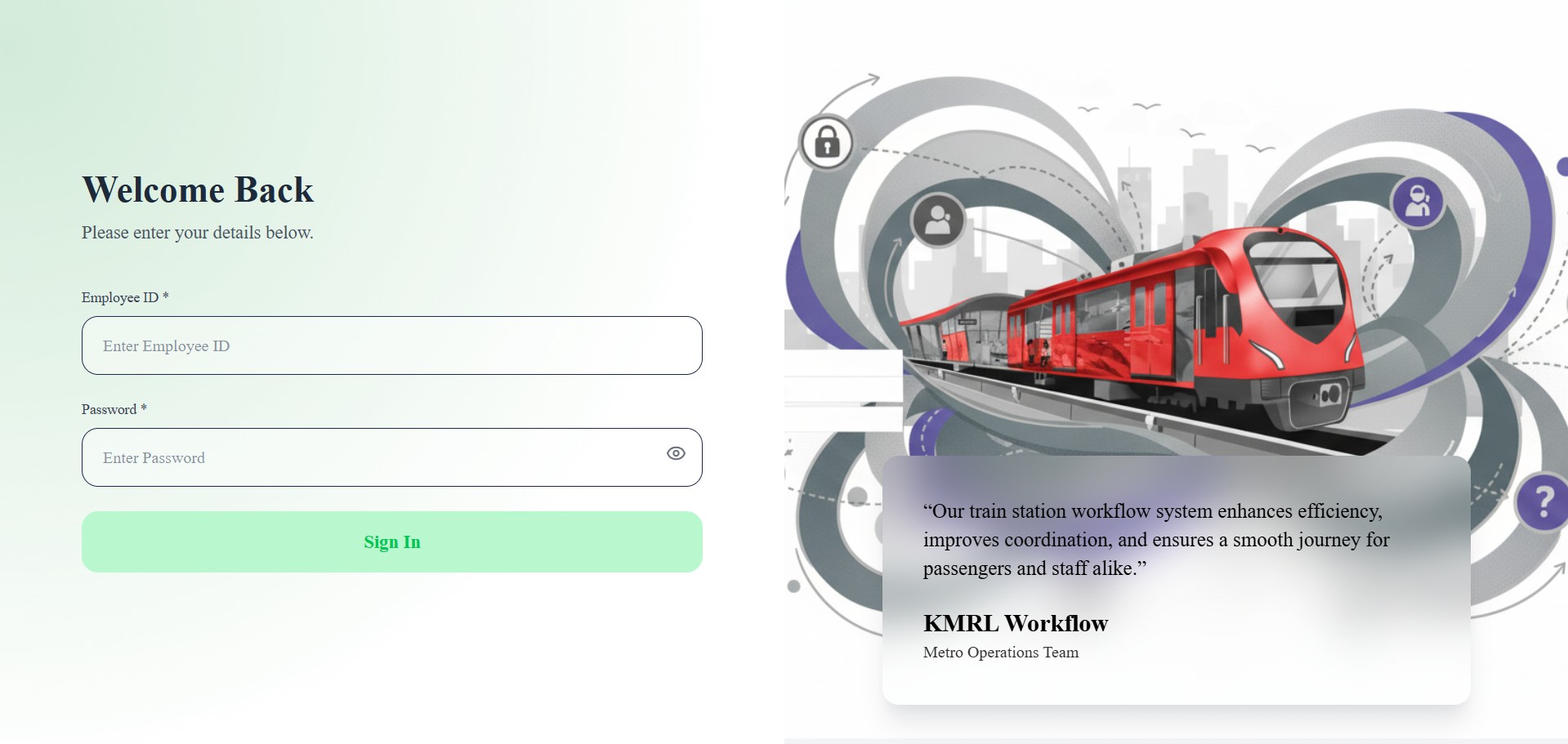
KMRL — SIH Solution is a case-study prototype focused on the use of data analysis and machine-learning ideas in metro operations and maintenance. The backend is built with Python and Flask, with PostgreSQL used for structured data and REST endpoints exposing information to the application. A Streamlit dashboard presents the available data and highlights patterns for review. The project explores how cleaning and normalising operational records can make analysis more useful. Since this was a backend and dashboard demonstration, its outputs should be understood as prototype results rather than evidence of accuracy or performance in a live metro environment.
The problem
Operational data can come from different sources and may contain missing, inconsistent, or hard-to-compare values. When information is spread across separate records, reviewing patterns and identifying events that deserve attention can involve a lot of manual work. A shared view can make the data easier to inspect, even when it cannot replace expert judgement.
The solution
I worked on a backend and dashboard demonstration that explores how metro-related data could be prepared for analysis and presented to users. The proposed workflow uses Python and Flask for the API, PostgreSQL for structured data, and machine-learning components to explore anomaly-related insights. Streamlit provides a dashboard for reviewing the information. The work is a prototype using demonstration-oriented data, not a validated production deployment for live metro operations.
What it does
- Prepare and organise metro-related operational data
- Expose application data through REST API endpoints
- Explore anomaly-related patterns using machine-learning components
- Present data and flagged patterns through a dashboard
- Use PostgreSQL to store structured application data
- Demonstrate how data analysis could support maintenance review
What was hard
A major consideration was data quality. Missing or inconsistent input can distort analysis, so cleaning and normalising the data is an important step before applying machine-learning methods. Another challenge was presenting the output in a way that users could inspect and understand, rather than displaying a model result without context. Because the project is a demonstration, any claim about detection accuracy, time saved, or operational impact would need a separate evaluation with representative data.
Results
The prototype brings data preparation, API access, and dashboard-based review into a single demonstration. It illustrates how a data-driven workflow could support operational analysis, while leaving real-world detection quality and maintenance predictions to be validated against appropriate operational data.